
All posts by Andy Todd




Film Friday – A Day in the Life of Jonny Brownlee (Andrew)
The YouTube summary describes this video as:
“What does a day in the life of triathlon superstar Jonny Brownlee look like? Take a look at Jonny’s triathlon training, recovery, nutrition, relaxing at home and meet the dogs in this candid and unique view into his life in Yorkshire!”
What it should say is:
“Do you want to see how Jonny Brownlee hangs his wetsuit, does his washing and how he keeps his trainers in the back of his car? Take a look at Jonny’s non-glamorous triathlon training in this candid and unique view in his life in Yorkshire!”
A very good video to show what an average day looks like for a world champion who has to keep his kit in his car just like everyone else.
Outdoor Swim Review – Harelaw and the Black Loch (Andrew)
Just because you can do it, doesn’t mean you should do it. I can, if I want, pour myself a nice bath of baked beans and spend the day soaking in Heinz’s finest. It wouldn’t be against the law to marinade myself in toot juice. It might be unusual, but, provided I did it in my own home, then no one will ever know I did it. Yet… yet… just because I can do it doesn’t mean I will ever pop into the supermarket and buy enough beans to fill a tub.
Equally, I can walk or swim pretty much anywhere in Scotland. Right to roam laws grant everyone very wide rights to access hills and paths, lochs and rivers, regardless of who owns them.
There are exceptions. You can walk on a golf course, but you can’t walk on a green. But, in general, unless you’re trying to walk through someone’s garden then you can go where you like.
But just because you can do it, doesn’t mean you should do it. You may have a right to swim in a loch, but an angler too has a right to fish in it, a sailing club has a right to sail in it, and land owners do and should expect that people won’t damage their land or invade their privacy.
There is one farmer who owns a field near a loch north of Glasgow. He’s a nice man, I’ve spoken with him a couple of times but, the only reason I’ve spoken with him, is that he comes out in his tractor to watch parking spaces to make sure no one cuts through his field to get to the loch.
He shouldn’t have to ‘guard’ his field and protect his cattle who graze in it. He should expect that people will walk round and avoid the field.
So, this is less a review and more a plea for tolerance. You might be able to swim in a loch but that doesn’t mean you should. And the Brother Loch and Harelaw Dam have large and active angling clubs. There are plenty of lochs in Scotland, almost as many as beans in a full bathtub, so I don’t swim at either lochs. And I would suggest that you don’t either.
The Sound of Football: Aberdeen (Andrew)

Every fortnight we cover the best and worst football songs from every club in the UK from our book ‘The Sound Of Football: Every Club, Every Song’. You can buy it here
Nickname: The Dons
Aberdeen
Ground: Pittodrie Stadium
Stadium Capacity: 21,421
Song: The Northern Lights of Aberdeen
In 1983, Bayern Munich had a team filled with legendary players: Breitner, Augenthaler, Hoeness, and Rummenigge. Names that were as well known then as BMW or Audi today.
Aberdeen had Mark McGhee. When he walked into a room, even his wife asked, “who are you, and why are you in my kitchen?”
When Aberdeen met Bayern Munich in the 1983 European Cup Winner’s Cup quarter-final, it should have been no contest; Bayern would win. But, after drawing the first leg in Munich 0 – 0, Pittodrie’s greatest night followed.
Bayern scored first, then Aberdeen equalised. Bayern scored again, but a well-practiced free-kick led to Alex McLeish drawing Aberdeen level. One minute later, striker John Hewitt added a third. Despite late pressure, Aberdeen held on and won the game 3 – 2.
As the referee blew the final whistle, Alex Ferguson leapt from the dugout to run onto the pitch. It was a legendary night for a legendary manager – and one followed a few months later when Aberdeen won the European Cup Winner’s Cup final 2 – 1 against Real Madrid. A victory soundtracked by the European Song – a record so popular that an initial run of 100,000 copies sold out, and more copies had to be issued to satisfy demand.
The European Song wasn’t the cup final’s only musical legacy. The final was one of the first matches where fans could be heard singing a chant that would dominate Eighties football:
“Here we, here we, here we f*****g go!“
(Source: public)
Despite his success, Sir Alex, as he would become known, is only the second most famous man to have worked at Aberdeen. We’d argue the most famous Aberdonian is former coach Donald Colman. Who, you may ask?
In the 1930s, Donald Colman had a successful career with Motherwell and Aberdeen, where he was appointed club captain and capped by Scotland three times. However, it was his post-playing career that saw him achieve football immortality
Colman loved feet, but not in a kinky way. When appointed as a coach, he persuaded the club to dig a hole at the side of the pitch. Colman would stand in it and have his head level with the player’s feet. Donald believed players needed to work constantly on their footwork, which he could see far better from his vantage point below pitch level.
When English club Everton visited Aberdeen a few years later, it saw Donald’s ‘dugout’ and created its own at Goodison. Soon every club followed until we have the airport lounge/dugout for today’s modern pampered footballer.
If standing up was Donald’s obsession, he would have been proud that fans have adopted a chant called Stand Free.
“Stand free wherever you may be,
We are the famous Aberdeen,
We don’t give a f**k
whoever you may be,
We are the famous Aberdeen.“
(Source: public)
The tune is from the Lord of the Dance and is shared with other clubs, including Hibernian (We Are Hibernian FC) and St Mirren (We’ll Go Wherever St Mirren Go). If you want a song just for Aberdeen, then you need to meet Mary Webb. But, again, you may ask, who?
Mrs. Webb was the co-songwriter behind Aberdeen’s anthem, The Northern Lights of Old Aberdeen, a song played by the club and by the city. Yet when Mrs. Webb died, nobody mentioned her passing. She was forgotten, even though her song had become the unofficial anthem of Aberdeen.
Mary and her husband William wrote the song in the 1950s to cheer up a homesick colleague. Mary worked in London and thought the song would help a friend, Winnie Forgie. It did, and it helped thousands more. Including, as Aberdeen’s Evening Express reported in March 2019, providing comfort to sailors fighting in the Falklands conflict. One letter from a sailor to Mary said:
“We are a Scottish ship, and on the evening, we were all clustered on the front end of the ship under the cold skies of San Carlos Water, waiting for the bomb to be defused, the Captain said ‘Sing!’ So we sang, and the first song that came to the lips of the most vocal member of the Ship’s company was your song, and of course everybody joined in, and it made us all feel better. “
This is the perfect song to remind us how important the sound of football is to fans. Of course, not every club wins a league or wins a cup. Not every club can be a success. But still, the fans sing, whether winning or losing, and all they can ask is for a song that makes them feel better.
Today, the Northern Lights of Aberdeen can be heard regularly at Pittodrie – along with a few other words that we have had hide with asterisks.
Buy the Sound of Football from Amazon
The Sound Of Football (Andrew)

Iain TwinBikeRun and I cannot be bought!
Don’t even try and send us a summer dress haul to review, a pair of Kanye Trainers to unbox, or a CBD spray to restore male baldness. Everything on TwinBikeRun is ad free and sponsor free!
(To be fair, no one has ever tried to buy us. Not even Squarespace. So our scruples have never been tested)
That means, when we recommend something you know that we are bring you our unbiased opinion unaffected by ‘The Man’. And, you can trust us when we recommend a new book: The Sound of Football – Every Club, Every Song.
Admittedly, it’s our book. We might be slightly biased, what with being the authors after all. However, you don’t have to listen to us. The New York Times said that “this is the greatest book ever written”.
Now it may have been reviewing “The Bible” when it said that and not our book. However, the Sound of Football is also a book, and if the New York Times thought it was as good as The Bible then it would definitely be saying the same thing.
Why not judge for yourself? Over the next weeks we’ll share entries, starting this Saturday, in our new fortnightly feature – The Sound of Football.
If you want to know more, here’s the intro:
World-renowned manager Giovanni Trapattoni, one of five managers to have won league titles in four different European countries, said that listening to music makes footballers better players.
Trapattoni said: “If you listen to Mozart, you’ll play better football, you’ll learn a lot about intervals, tempo, rhythm. You learn the logical skills you need to read a game“.
While we don’t expect Premier League superstars to listen to Mozart’s ‘Requiem in D Minor’ as they strut off their team bus wearing designer tracksuits and oversized headphones, we do know what they’ll hear when they step on a pitch. From the moment they walk out, every tackle made, and every goal scored, they hear music from the stands: singing and chanting, screaming, and shouting. Football stadiums are alive with songs and noise as football and music arouse the same thing: passion.
Football and music don’t have a proud history: remember ‘Vindaloo’? Shudder. But it has a secret history, untold tales from terraces across the country that reflect and strengthen the links between supporters and players as voices combine to amplify the highs and the lows of what it means to be a football fan.
Yet, in March 2020, the link was broken. Stadiums lay empty after COVID-19 lockdown restrictions meant fans stayed at home. The sound of silence replaced the sound of football. For 18 months, not only could we not see our teams; we were robbed of our voice.
As fans return, it’s time to remember the songs we sing and why we sing them. It’s time to combine our voices again. And while we don’t know if listening to music makes players play better. We do know that football needs the music of the stands. And that players and fans together can rejoice again in the sound of football.
In the following pages, we track down the stories behind the best, worst, and most off-the-wall football anthems for every club in the UK. Each song reflects something unique about a club or fans. We have endured terrible FA cup final songs, beloved world cup singles, and some frankly obscene terrace chants to bring you club anthems, cult classics, chart-toppers, and hidden gems, and the incredible stories behind them.
And where can I buy it?
You can buy it here: Amazon
Race Report – Hebrides Triathlon 2021 (Andrew)
Would you pay £15k to take part in an ultra run? What if you had a Michelin chef cooking your meals and training tips from the world’s best runners? If so, then Highland Kings is for you!
Highland Kings is a new event, launched in June, which aims to bring a unique premium service to what are normally very simple races – turn up, run for hours, run some more, then run for even longer. Unlike an ordinary marathon there’s no need to close streets as most ultra runs take place in remote locations where the chances of meeting anyone else is as likely as me entering Highland Kings. (Very, very unlikely),.
However, if remote locations, exclusive entries and table service are your thing then can I recommend the Hebrides Triathlon?
With COVID safety in mind, the race organiser wanted to ensure everyone could still have soup, a sandwich and a sweet treat after the race. Rather than setting out a buffet, volunteers took ‘orders’ from your table and brought the food to you. And then brought some more. And then more. And the next thing you know you’ve had soup, a sandwich and six donuts and a muffin and a Mars Bar.
I can see why people might pay £15k for this kind of service…
It was great to take part in a triathlon after races were cancelled last year. It didn’t even feel strange to wear face mask or to use handwash as changing clothes is natural for a triathlete. In fact, I was only surprised, we didn’t have a separate mask for each transition….
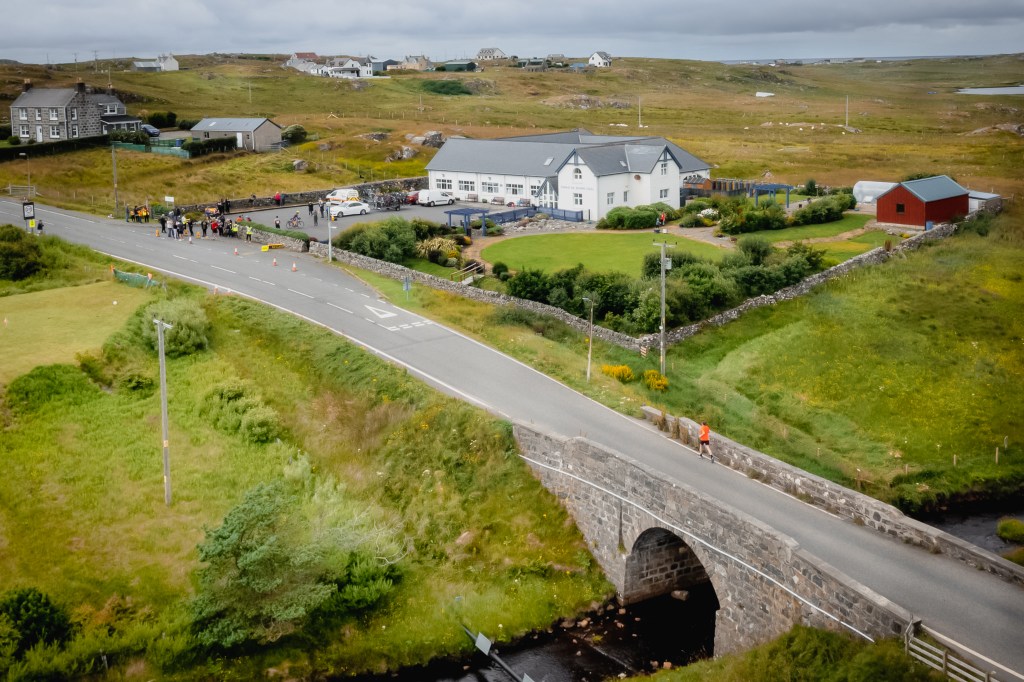
The race itself is run by the Western Isles Triathlon Club and has a limit of around 30 entrants each year. It’s a local race for local people but one that’s very welcoming to visitors too. Unlike the Isle of Lewis itself which is still under COVID restrictions which severely limit the number of people who can travel on the boat to get there. I was caught out as I tried to book only to find that the next place available was four weeks after the race. Instead I had to fly, which is easier to book but almost as expensive as Highland Kings. Ouch.
As for the race itself:
Swim
This was my first triathlon in two years. The last one being the 2019 Hebrides Triathlon. This year the swim was changed from a loch to the sea after a bloom of blue green algae.
To make things interesting there was a choppy tide but the organisers changed the course to keep it close to shore and most of the swimming was side on to the waves. This made for an erratic swim as I was constantly pushed from the side but it was good to know that we were never out to deep and you could see the bottom of the bay for most of the swim.
Bike
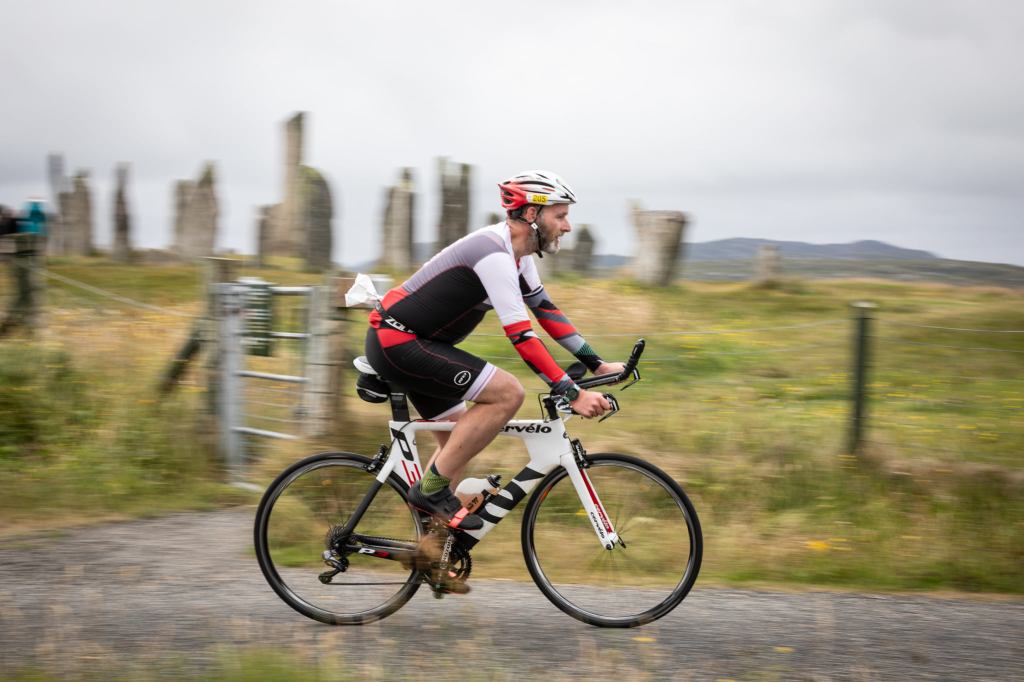
A strong north wind meant a quick first half as we cycled from Shawbost south and southeast to Callanish. The way back was another story and I was glad to have fitted tri-bars to my bike. Each strong gust gave a chance to duck down and try and avoid the worst of it by using the bars to stretch-out.
Run
A deceptive course – it’s 4km of climbing and then 6km of climbing. You’d expect a course that starts and finishes in the same place to have an equal amount of ascent and descent but I can only think that roads around Shawbost were designed by MC Escher.
Overall
My ‘local’ triathlon so I’m biased but this really is a cracking race with great scenery, challenging routes and while it might not be Highland Kings, it can certainly claim to be Hebridean Kings.
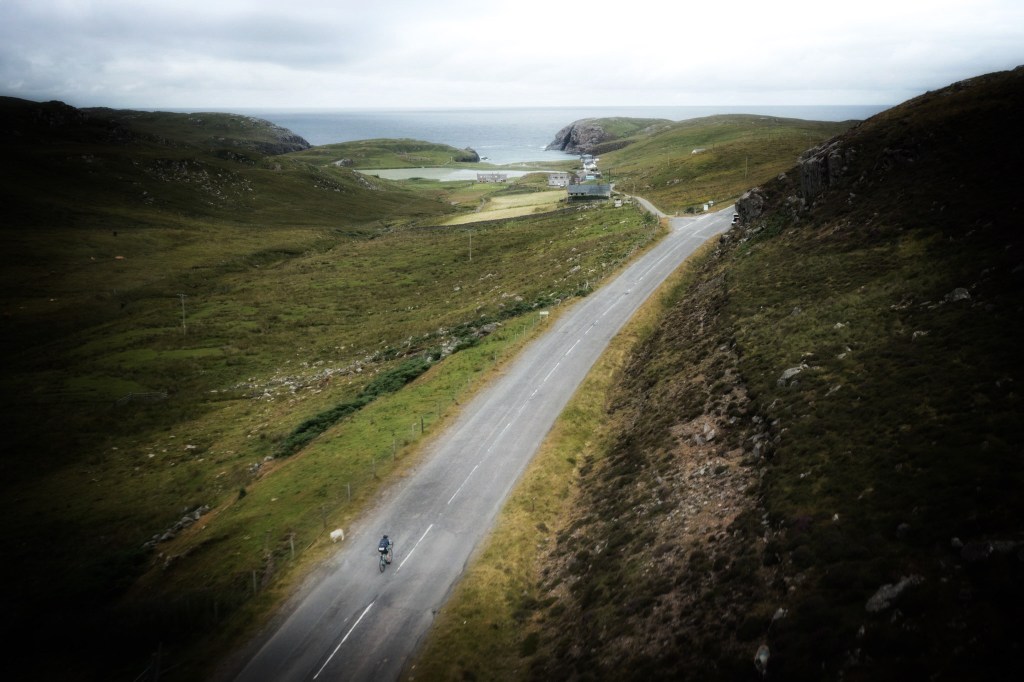
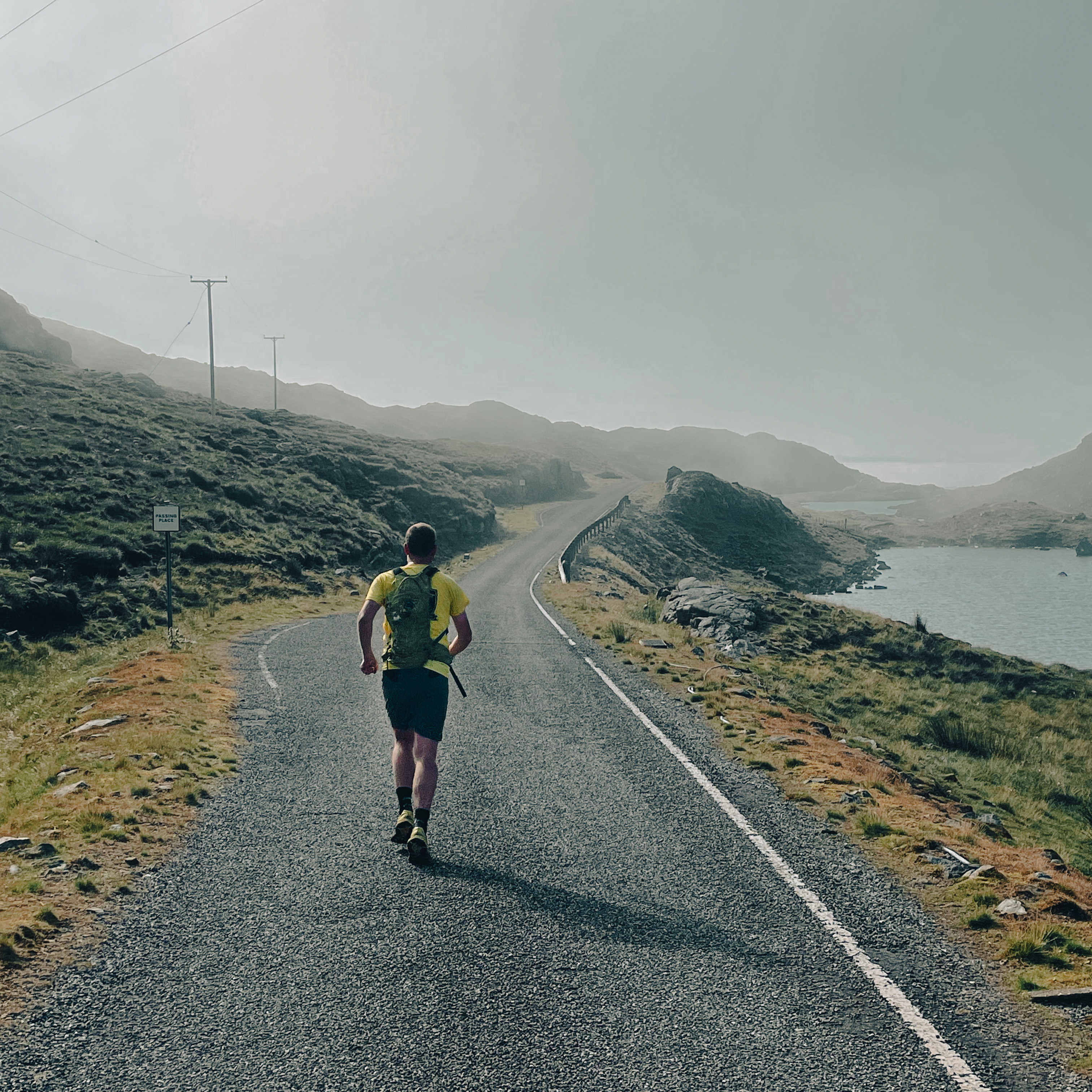
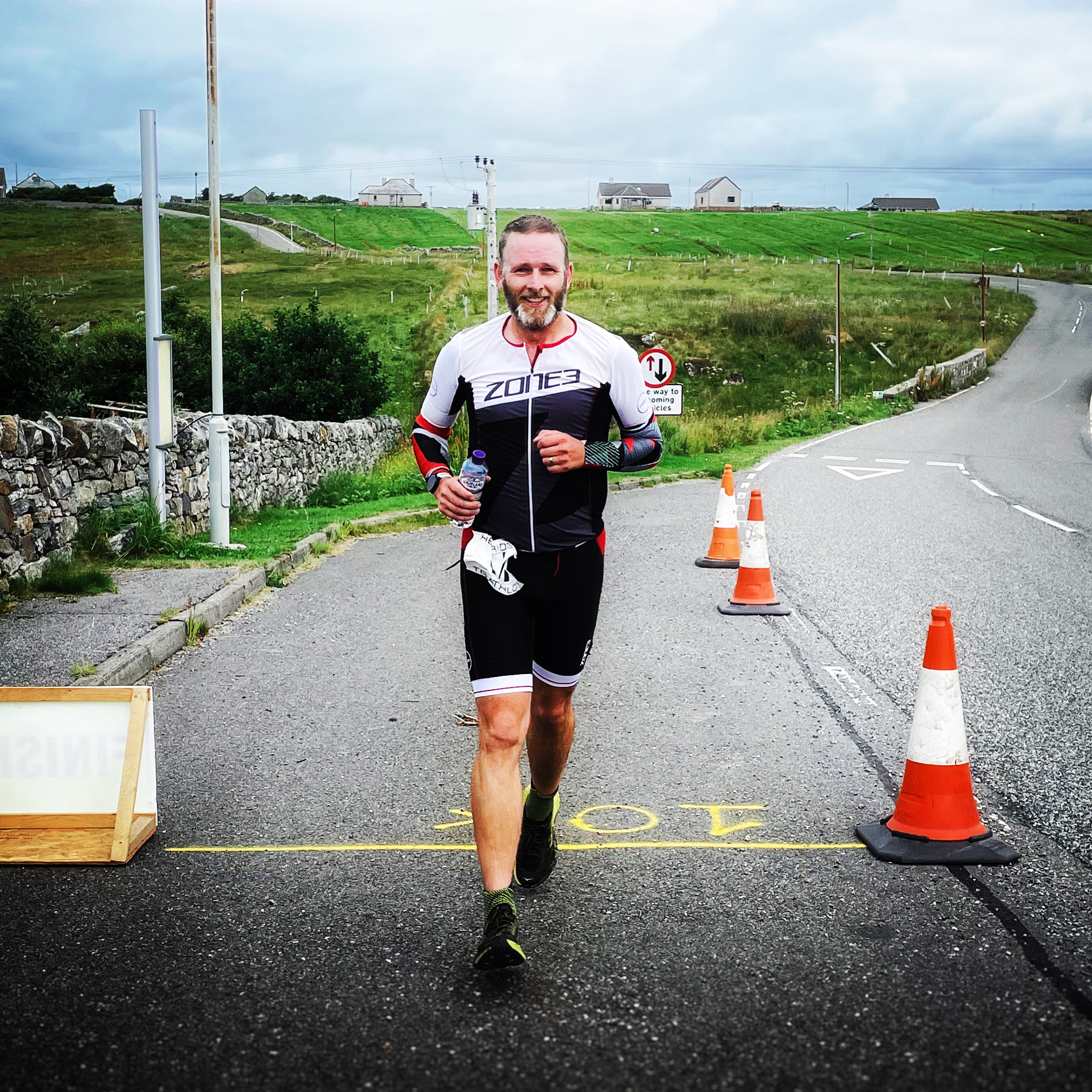
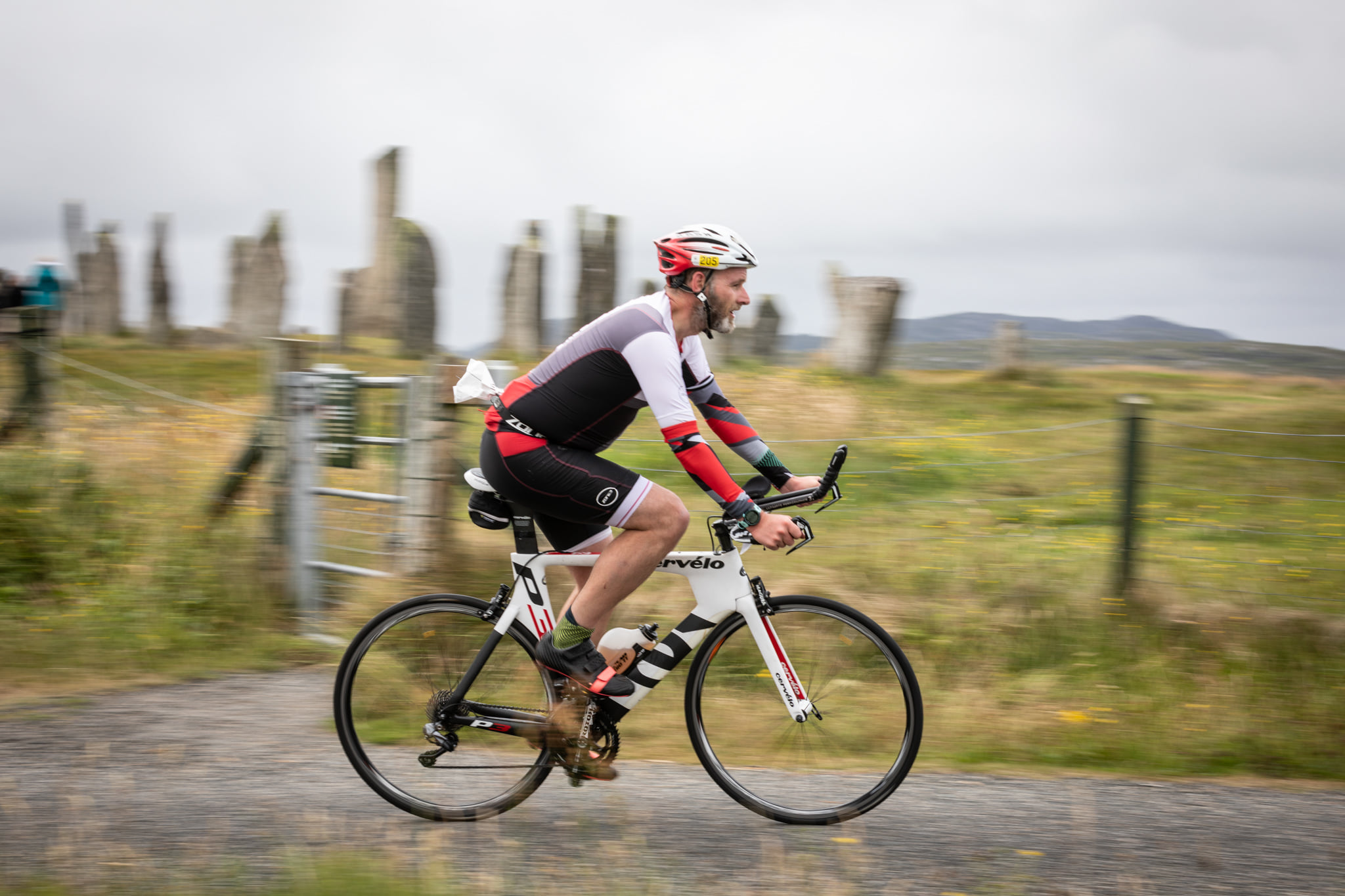
July Photos (Andrew)

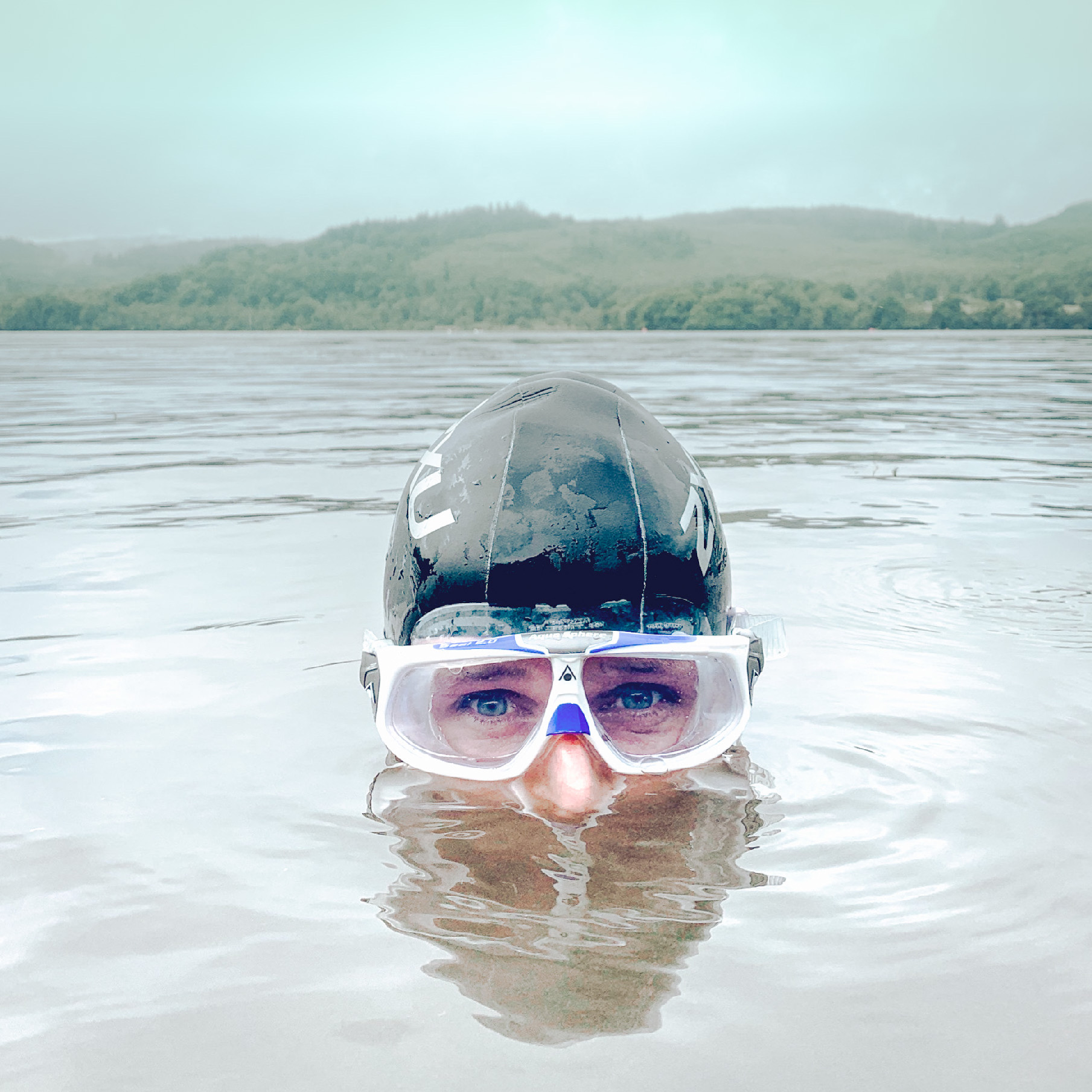

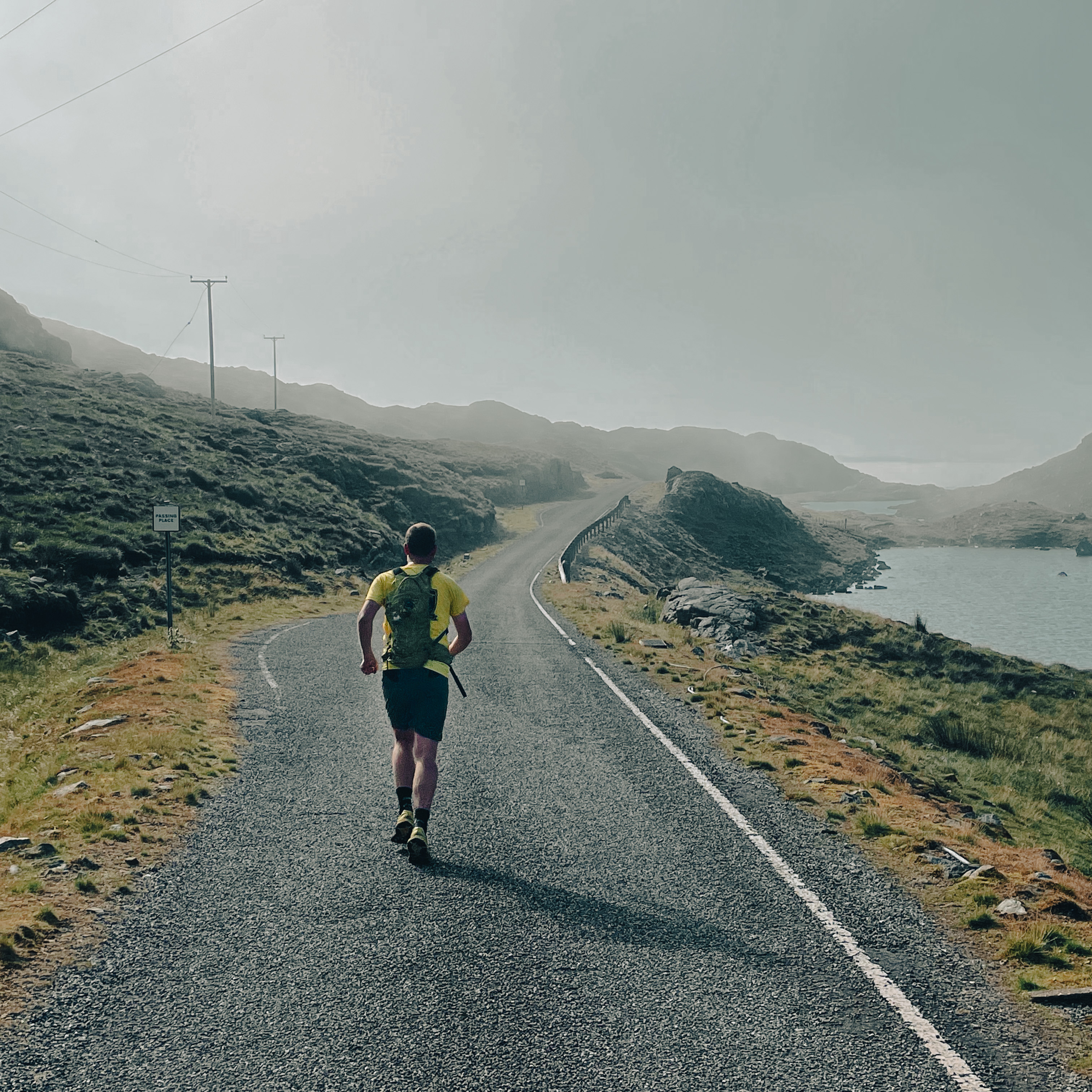
The World’s Highest Bridge Bungee Jump – Part 2 (Andrew)

Find Part 1 here
I will start by saying that I had no intention of jumping off the world’s highest bungee bridge. We were driving across South Africa blissfully unaware that such a thing as the world’s highest bridge bungee existed when we drove round a corner, saw a bridge across a deep gorge, saw a sign offering the chance to jump of it and we thought “fek that, I’m not jmping off that!” and drove on…
Only to turn around 10 minutes later on the basis that “when will we ever be here again? Never, that’s when, so we should just do it!”
So, we did, even though I hate heights, hate flying and hate the very thought of bungee jumping.
We were lucky, or unlucky, as it was mid-week and they could let us jump straight away. I say jump but, as you’ll see from the video below, I didn’t jump. In fact, I can reveal now that this was less a bungee jump and more a case of attempted murder. I was pushed off the bridge! I didn’t volunteer, I was shoved in the back and made to fly against my will!
My wife on the other hand practically ran up and jumped it faster than an Olympic long jumper.
“Weeeeeeeeeeeeeeeee,” she screamed in excitement.
“WWWWWWWWwwwwwwwwwhhhhhhhhhhhaaaaaaaaaaaattttttt ttttttttthhhheeeee ffffffffffuuuuuuuuucccccccccc……” I screamed.
And screamed again when the bungee reached it’s limit and pulled me back up like a human yo-yo.
Which it did again and again as I never realised that because the cord is elastic you keep bouncing back and forth and dropping again and again, each time worse than the last because each time you know is the time you will die. You were just lucky the first time that the cord didn’t snap. But can you be lucky twice? Three times? You can’t be lucky four times, this time you’re going to die?
“WWWWWWWWwwwwwwwwwhhhhhhhhhhhaaaaaaaaaaaattttttt ttttttttthhhheeeee ffffffffffuuuuuuuuucccccccccc……” I scream again.
Until, finally, the bouncing stops and I’m left staring at the rocks below and with a new found belief in the Lord Almighty, who must have surely heard my cries even as far away as Heaven.
I hated every single second of it and I will never do it again.But if this sounds like something you want to do then, when the world opens up, here everything you need to know about it: https://www.faceadrenalin.com
But don’t say I didn’t warn you.
Film Friday: LEJOG Relay Attempt (Andrew)
Mark Beaumont is one of the world’s best endurance cyclists. He’s twice held the record for fastest time around the world, including his current record of cycling round the world in less than 80 days.
James Lowsley-Williams is a former cycling professional and current presenter of the YouTube channel, Global Cycling Network.
Together they attempted to break the record for fastest two person relay time for cycling Lands End to John O’Groats.
You can watch their attempt below and see how different each men become as they get deeper and deeper into the race. They each ride for one hour and swap over again and again as they attempt to keep an average speed of 19 mph from one end of the UK to another. However it’s quite clear that for one man (James) it’s a very different experience from the other (Mark)…
Well worth a watch!
Scottish Swimming Open Water Guidance (Andrew)
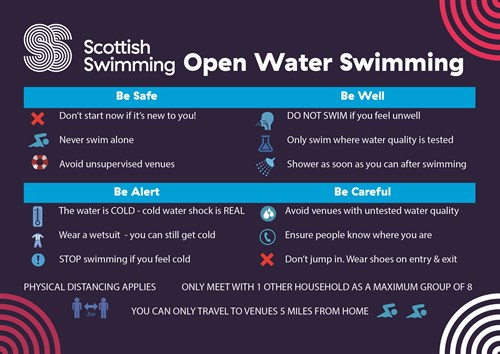
After the tragic events this weekend I thought it worth sharing Scottish Swimming open water guidance.
 Twin brothers swimming, cycling and running in Scotland