Frogging
phrase
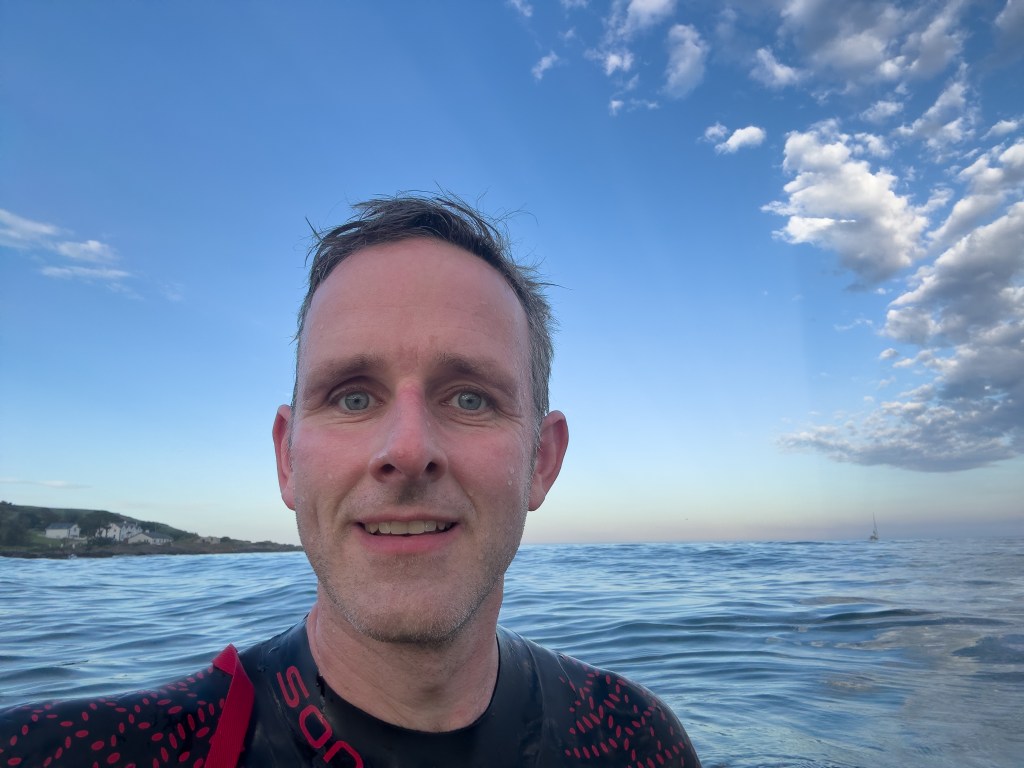
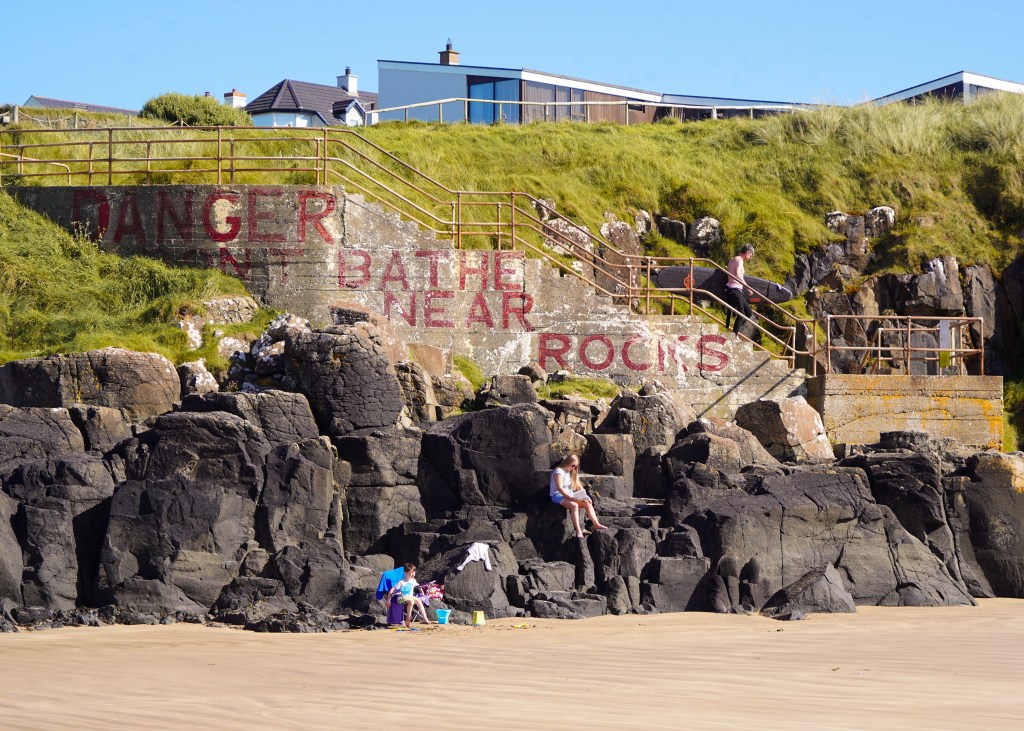
The thrill of almost getting caught getting changed into a wetsuit in the back of a car.Usage: “Last night, a dog walker almost caught me frogging!”


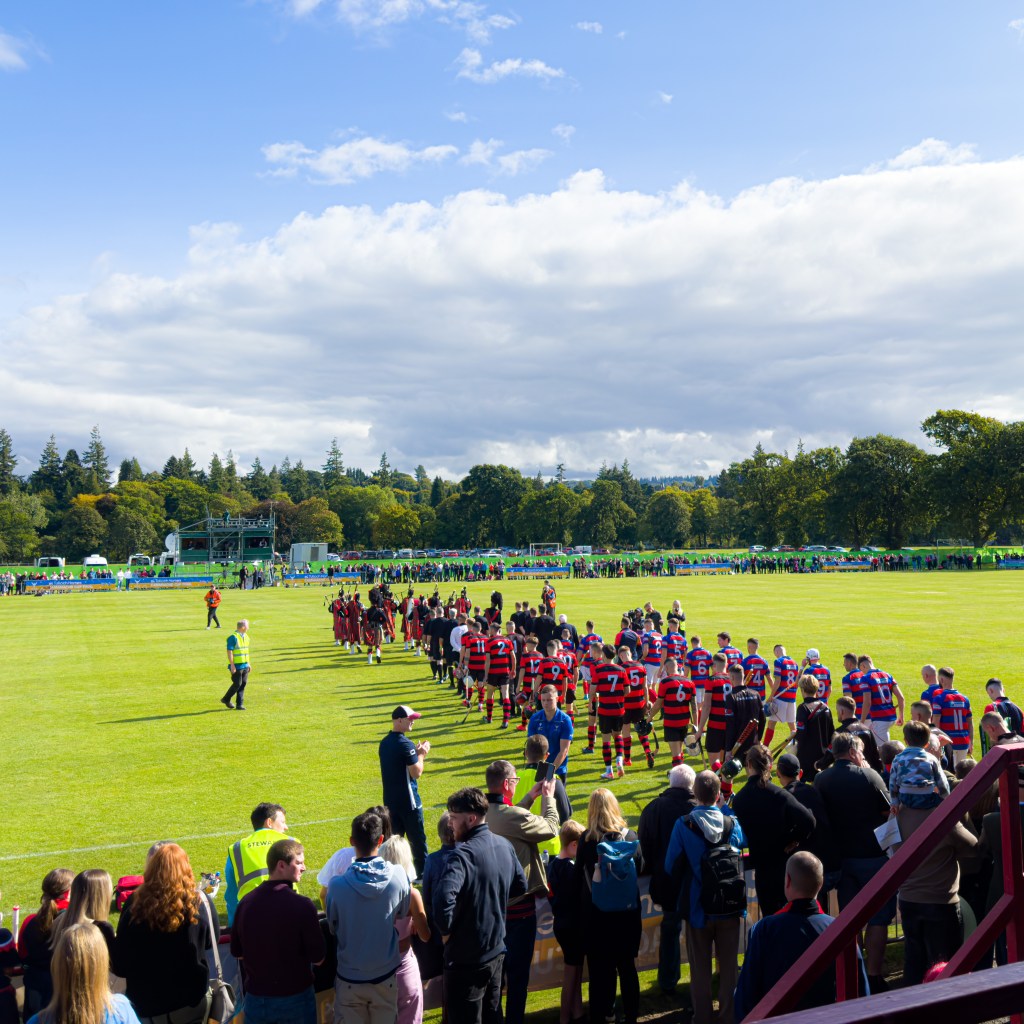


Every fortnight we cover the best and worst football songs from every club in the UK from our book ‘The Sound Of Football: Every Club, Every Song’. You can buy it here
England
Nickname: The Three Lions
Ground: Wembley Stadium
Stadium Capacity: 90,000
Songs: Various
Together, football and music can combine to create something exhilarating as thousands of voices together inspire heroic feats. Think of Liverpool fighting back from 3 – 0 down against AC Milan in the 2005 Champions League Final as the crowd sang ‘You’ll Never Walk Alone’. Or The Lightning Seeds, Frank Skinner and David Baddiel’s ‘Three Lions (Football’s Coming Home)’ raising the prospect of a repeat of an England triumph before the national team crashed to Germany in the semi-final of the 1996 European Championships.
However, just a few years earlier, no one could have imagined the power of a song. Especially a football song as they were considered naff and unfashionable. It took one band, New Order (recording as England NewOrder) to change that, and make football songs cool, when they released ‘World in Motion’ in 1990.
What’s remarkable is that this song, routinely declared the best football song of all time, came just four years after the worst song, and the second-worst and the third-worst and the fourth-worst and the fifth-worst football song as 1986 saw a whole album of songs each more terrible than the last.
In 1986, writers Tony Hiller, Stan James, and Bobby James joined forces to write England’s official song ‘We’ve Got The Whole World At Our Feet’ and the B-side ‘When We Are Far From Home’. But they didn’t stop there. The England squad also recorded several medleys with them for an album, the ‘England World Cup Party Anthem’.
The album started with the official World Cup 1986 song, whose only achievement was to reach a rather apt chart position of 66. Otherwise, it’s entirely forgettable. But the rest of the album is not, no matter how much you may try to scrub your ears and wash your brain cells out. A medley of songs starting with Happy Wanderer and ending at Y Viva Espana warms you up for some of the classics that follow on this album. No sooner have the “Val-deris!” and “Val-deras!” faded away than the team are belting out ‘Volare’. This was the highlight. It got worse. Someone had the bright idea of a World Cup of songs as the squad introduced you to every country in the world just by the power of music. You can hear Italy (‘Arrivederci Roma’), France (‘C’est Si Bon’), the United States (‘New York, New York’) and back home (‘Rule Britannia’) before later travelling to ancient Persia (‘Rivers of Babylon’) and finishing at the hottest spot north of Havana (‘Copacabana’), where it wasn’t just Tony who died that night, it was all pop music, mugged by 22 men with three lions on their chest.
Yet, just four years later, a miracle happened. New Order managed to make a football song that was not only considered to be good but also cool. How did they do it? The simple answer is they were asked. As band member, Peter Hook, told GQ magazine:
“Tony Wilson [legendary late Factory Records boss] was at a football do, and the PR team from the FA was there. He was telling Tony what a fan he was of New Order and Factory Records, and he said, ‘God, I wish I could get them to do the World Cup song.’ So Tony said, ‘Well, why don’t you f***ing ask them then?’ It was as simple as that.”
The next step with the band signed up was to write a song. As lead singer and songwriter Bernard Sumner was not a big football fan, the band asked actor Keith Allan, who they knew through their Manchester nightclub, the Hacienda, to help. As band member Stephen Morris explained:
“It all slotted into place that we’d get Keith onboard for the lyrics. Coming up with the music is almost the easy bit. It’s what you say in the lyrics that is hard to pull off without basing it on a terrace chant.”
When recording the song, the England squad were invited to the studio. However, only a few turned up: John Barnes, Paul ‘Gazza’ Gascoigne, Des Walker, Peter Beardsley, Steve McMahon and Chris Waddle. As attendance was not compulsory, the rest all went to the pub.
At the studio, the players were given champagne and asked to try and rap over the song. While John Barnes’ version made the final song, he wasn’t the best on the day. As Keith Allan said: “John Barnes was the best. Well, almost the best. Gazza was better by a country mile, but you could not understand a single word he said.”
After it was released, England, criticised by the press before the World Cup, managed to lift themselves and reach the semi-final against their arch-nemesis of 1966, Germany. ‘World In Motion’ and ‘Nessun Dorma’ provided the perfect background, a one-two of classical music with modern dance without the violence of the terraces or the brutish threats of hooligan chants. If there was beauty in the music, there was beauty on the pitch, and none more so than Gazza, who may not have been able to rap, but he was easily the finest footballer of his generation, and whose control, skill, speed, and movement were sublime. And then, in the semi-final, he received a yellow card, his second of the tournament. Even if England won the match, he realised that he would miss the final through automatic suspension. Tears flowed, both on the pitch and at home, and his heartbreak humanised football for every viewer.
While England would go on to lose the penalty shootout, Gazza’s tears and the songs of the tournament combined to propel football in a new direction, away from the terraces and into people’s homes, a fact Stephen Morris recognised:
“It happened at a great time for football because it was the tail end of violence at matches. Suddenly, ladies started liking football, and a match became a family thing; nobody was frightened. It was a cultural shift.”
Football had changed. A nation changed. And one song had helped achieve that – and it only took one man to ask New Order if they ever fancied writing a song for England.
Yet, while ‘World in Motion’ is one of the best football songs ever released. With its electric beats and catchy chorus, it was, and is, a classic. It inadvertently hit on a winning formula that most football songs had missed – bin the team. No one wants to hear central defenders attacking the chorus with all the subtlety of a two-footed lunge.
Before ‘World in Motion’, the football song had a set formula: the professional singer sang the verses while the team sang the chorus – though it wasn’t singing, it was terrace chanting set to music. The history of England’s world cup songs shows this in action.
The first England World Cup song was the 1970 song, ‘Back Home’. This was a strange choice for a World Cup staged in Central America. Rather than celebrate the heat and fire of Mexico, the squad sang of a longing to know what was happening back in England. “Back home, they’ll be thinking about us… Back home, they’ll be really behind us … Back home, they’ll be watching and waiting”.
And, while the song reached number one, England could only reach the quarter-finals after they lost 3 – 2 to West Germany after extra time. England had been winning 2 – 0 before losing three goals. We can take a good guess at what the England fans thought of that back home.
Thanks to England’s failure to qualify in 1974 and 1978, the England world cup squad was absent from the charts for 12 years. When England returned to the competition in Spain in 1982, it did so with a statement of intent as the players sang ‘This Time’.
“This time, more than any other time, this time. We’re going to find a way, find a way to getaway. This time, getting it all together.”
While in 1986, a similar sense of entitlement can be heard in ‘Whole World At Our Feet’ with its cry of “We’re going to beat the world, so here we go!” Unfortunately, the rest of the world included Maradona, and England was sent home in the quarter-finals after Maradona’s infamous Hand Of God goal.
By 1990, the FA, perhaps in a final throw of the dice, decided that a football song should be more about the song than the players.
By 1998, the World Cup song was no more. The England squad was too busy/cool/not interested in gathering together and singing on an official song. The FA, from this point on, would back an official song that didn’t feature the squad at all. France 1998 would see ‘(How Does It Feel To Be) On Top Of The World’ by England United, which featured the Spice Girls, Lightning Seeds and Echo and the Bunnymen. 2002 had Ant & Dec sing ‘We’re On The Ball’ while Germany 2006 saw Embrace release ‘World At Your Feet’. 2010 saw no official song while the 2014 campaign was due to feature Gary Barlow’s ‘Greatest Day’ until the FA quietly dropped all plans to release it just two weeks before the tournament started. It was a brilliant move as it turned out – England’s greatest day was the day before the first game – its campaign was over after just two matches.
Maybe one day England will release an official song again. If so, it will struggle to match a song that shows you don’t need football players to make the perfect football song.
In 1996 Ian Brodie, a songwriter and singer for the Lightning Seeds, asked comedians David Baddiel and Frank Skinner to help write lyrics for a song commissioned by the Football Association for the 1996 European Championships, which would be held in England. The FA had suggested the song should refer to the three lions on the England badge, which when combined with Ian Brodies’ views that it should be a hopeful song, resulted in a song which has become a national anthem, returning to number one in the charts in July 2018 for the 2018 World Cup. As Ian Brodie explained:
“I thought it was only worth making if it reflected how it feels to be a football fan,” Broudie said. “Even the most successful teams don’t always win, but there’s a suspension of reality, and you believe anyway — whether you support Rochdale or Man[chester] United. I’ve always felt there was something very primal about music that links into that. At the most raw, emotional times, people sing together, whether it’s a funeral or football match. ‘Three Lions’ has something of that — we’re all in this together, we’re all willing to dream.'”
With Baddiel and Skinner, who presented a comedy football programme for the BBC, he wrote a song that brought every fan together around a simple but meaningful chorus: “It’s coming home! It’s coming home! Football’s coming home!”
Yet, despite its confidence and sense of ownership, there is no arrogance in the chorus. Football was coming home – everyone accepted that England was the home of football, and this was just a statement of fact. However, behind the simplicity, there was also history. The song deftly referred to former players’ significant moments and highlighted the highs of winning the World Cup with the lows of early exits and decades of disappointment. When England managed to raise hopes, against all odds and the usual pre-tournament doubts, the song moved from a single to the charts to the terrace and to the hearts of every fan that sang it. As the team advanced to the semi-finals, it seemed as if the song was self-fulfilling – football was coming home with each victory – until it finally didn’t. As Germany yet again were victorious in a semi-final penalty shootout. But that didn’t matter because the song wasn’t a statement. Fans don’t sing “Football is home!”. They sing about the journey and not the destination. Football is coming home one day; we just don’t know when. And, until it does, there’s one song the fans will sing: Three Lions.
After 1996, David Baddiel believed Three Lions was the end of the football song. He told the BBC in 2016:
“Three Lions killed off the football anthem quite conclusively. There were a few attempts after 1996, but no one managed it, and that’s because it is the best football anthem of all time.”
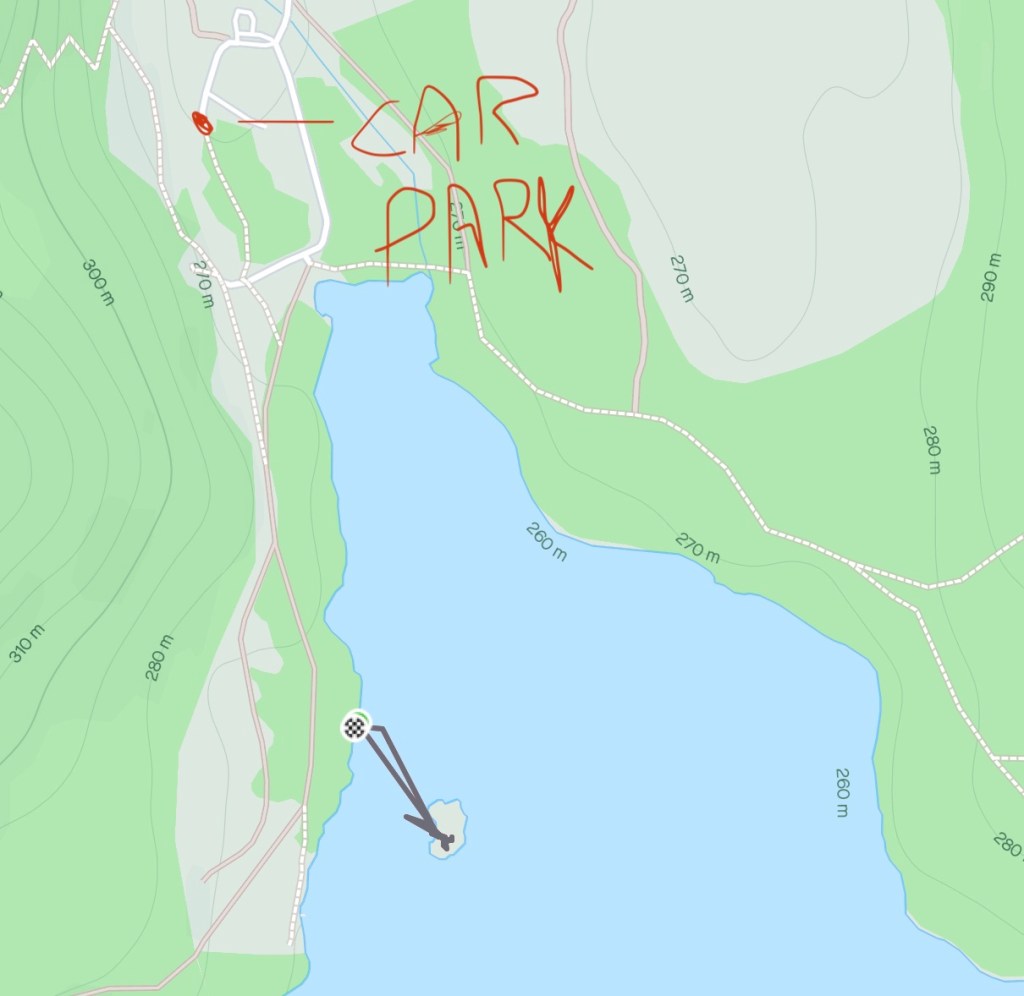
I’ve reviewed Loch an Eilein before – see here – and covered how to swim from the top of the loch to the island. This is just a quick alternative if you don’t have much time and would like to swim out the island and back as there is good path from the car park, easy access from the bank opposite the island and it’s only a few hundred metres to swim to it and back.
REVIEW
Ease of Access:
It can be busy and you’re likely to see people on the bank taking photos of the island so remember to hold in your gut and strand straight.
Water quality:
Very clear.
Swim Quality:
Very shallow around the foreshore and the island.
Other People:
It can be busy.
Would I go back:
Absolutely. You’re surrounded by the Cairngorms. It’s nice and sheltered. And did I mention the castle?

If you examine the map above you’ll notice two things about this year’s Great Scottish Run:
First, you’ll notice the route is largely out and back with a large section using the same roads.
Second, you’ll notice most of the route avoids nearly evert park, tree or hint of a plant in the Southside in Glasgow, which is quite an achievement. Glasgow is know as the ‘Dear Green Place’. It has more than 90 parks and gardens. It has beautiful tree lined streets, particularly in the Southside and, yet, the Great Scottish Run chooses to run through some of the most deprived areas and avoid anything which makes Glasgow nice (unless you’re a Rangers fan and love to see a glimpse of Ibrox stadium).
It even finishes in Glasgow Green, one of Glasgow’s biggest parks. But it only uses a few hundred metres as a dash to the finish line. Can they not use more of it? Would you hire a Ferrari to just use it to park it in a Park? Of course not, so why run the Great Scottish Run and not use the very things that make running in Glasgow great.
Great Scottish Run, more like okayish Scottish Run.
At least this year, the route was the correct distance after previous races has seen record had to be scrubbed as the official distance turned out to be less than 13.1 miles. But to do that, they’ve had to add in a 50m detour down a road and then back up again. They couldn’t even add 100m in Glasgow Green. Instead we a Ferrari and a quick spin up to the next level in QPark.
Saying all that, and trying not to be too grumpy, the race is very well organised with groups released in waves to help spread people around the course. There’s three water stops and the route is almost flat.
But if you want to see a tree, try another race. Or try my race. Instead of running around the Southside, howabout running from George Square to Kelvingrove Park, then to the university, the Kelvin walkway, the Botanic Gardens, Great Western Road, Hyndland and Clarence Drive, over to Victoria Park, before back down Dumbarton Road, the banks of the Clyde and longer run through Glasgow Green. Easy.

Every fortnight we cover the best and worst football songs from every club in the UK from our book ‘The Sound Of Football: Every Club, Every Song’. You can buy it here
Elgin City
Nickname: The Black & Whites
Ground: Borough Briggs
Stadium Capacity: 4,520
Song: Samba Di Janeiro
Since 1917 our sovereign has sent a birthday message to everyone celebrating their 100th birthday. In 1993 Elgin City celebrated its centenary. However, instead of a warm message from the Queen, all it got was a blunt message from the League Management Committee warning Elgin that the club was being stripped of its Highland league title. While birthdays are normally celebrated with cake and a party, Elgin had celebrated its century by cheating to win the Highland League.
Elgin City had ‘won’ the league by four points. Controversy erupted when it was revealed two players should have been ineligible to play Elgin’s final game due to suspension. The player’s suspension was set to begin on Saturday, 24 April, but Elgin had requested its game be brought forward 24 hours. At a League Management Committee meeting on Thursday, 29 April, the league decided that by failing to mention that two of the players faced suspensions when it asked for the change, Elgin had brought the game into disrepute. The Committee voted unanimously to strip Elgin of its title. The Queen, we imagine, was not amused.
Further controversy followed in 2012. Elgin was elected to the Scottish football league in 2000 and had maintained a respectable position in the third division. But, when Glasgow Rangers were required to start again in the third division in 2012, Elgin spotted the chance to raise some additional money by opening its ground to Rangers’ large travelling support by selling nearly 6,000 tickets for its first home game. One problem – the ground only held 4,520.
When the football league spotted the mistake, the game was postponed on health and safety grounds.
Postponing the game meant Elgin missed the chance to go top of the league. Elgin was just two points behind Rangers and would have leapfrogged the Glasgow club if it had won.
Apart from these infamous events, Elgin is famous for winning the Highland League 14 times and being the first and, as yet, only non-league side to reach the quarter-finals of the Scottish Cup.
Elgin’s badge has the Latin slogan ‘sic itur ad astra’, which means ‘thus shall we reach for the star’. Sadly, the team doesn’t use ‘Reach’ by S Club Seven. For the last few years,’ it has played ‘Samba de Janeiro’ whenever they scored, but this ended in 2012. It was probably when it realised that Elgin, as the second most northerly club in the UK, had more in common with the Arctic Circle than the beaches of Brazil.
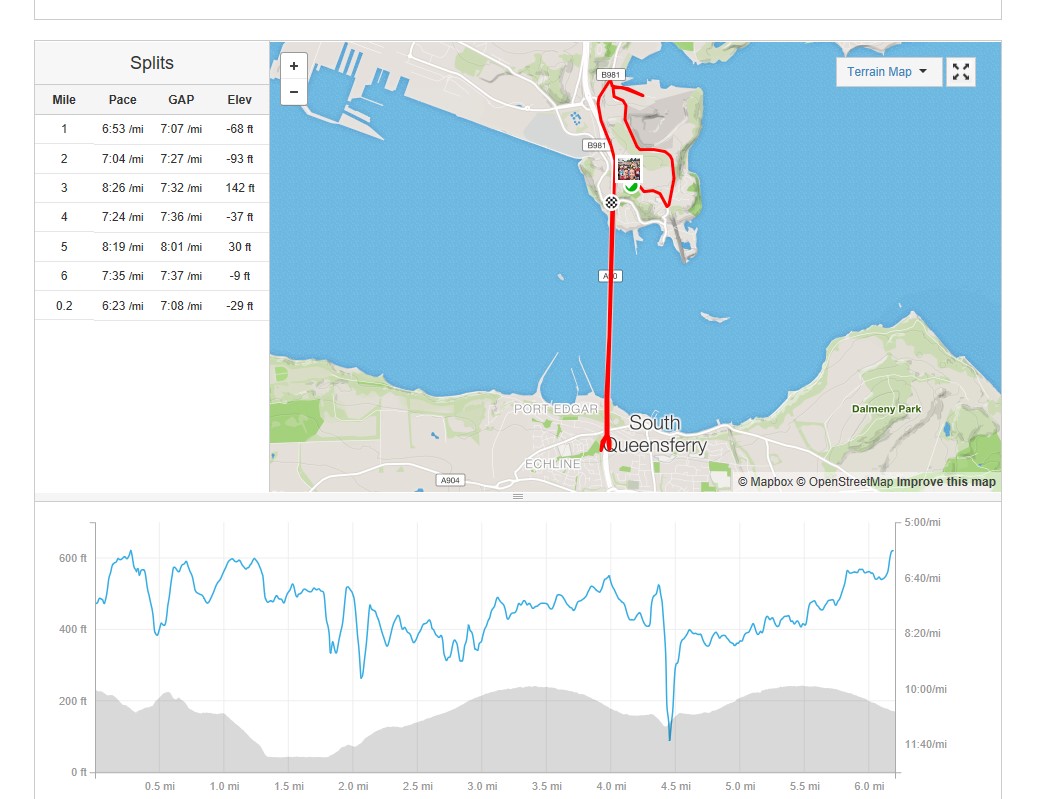
The Forth Road Bridge 10k should be called the The Feast Road Bridge 10k because that’s what you get at the end of the road: a massive feast. Tables and tables laden with sandwiches, fruit, cakes, biscuits and everything you can possibly eat to finish the race with more calories than when you started. No wonder the race sells out within hours of going on sale. Not only do you run over an iconic Scottish bridge, you also get diabetes.
The race starts at the top of a hill and the first few hundred metres are downhill. Then a slight climb before another long downhill. If you like a fast start to a race then this is the race for you. However, do watch out, as the race is hillier than you might think. The Forth Road bridge is not flat and, as it’s exposed to the Firth of Forth, it can be windy too. But, with the thought of all that cake at the finish, it’s a great race to try and run faster to be the first to the buffet.


Every fortnight we cover the best and worst football songs from every club in the UK from our book ‘The Sound Of Football: Every Club, Every Song’. You can buy it here
Edinburgh City FC
Nickname: The Citizens
Ground: Ainslie Park (temporary)
Stadium Capacity: 3,500
Song: The Racecourse Red and Blues
The Citizen’s created history by becoming the first-ever club to win promotion to the SPFL via the Pyramid Play-Offs, after winning a second successive Lowland League title in 2015/16. In the years since they have consolidated their position in the SPFL.
Our search for a song did lead to a fantastic song by Chris Rogers, which was runner up in the Edinburgh FC Song of the Year competition in 2000. After checking more closely, we realised the Edinburgh FC stood for Edinburgh folk club. D’oh! However, the song, an elegy to what it means to be a football fan, is well worth seeking out because who cannot relate to this:
“My father should shoulder the blame,
For starting me off on this way.
It’s never been glory or fame
That brings me back day after day.
Obsession was born in the 60s,
Never was broken again,
A lifetime of pity began with York City,
A nothing-each draw in the rain.”
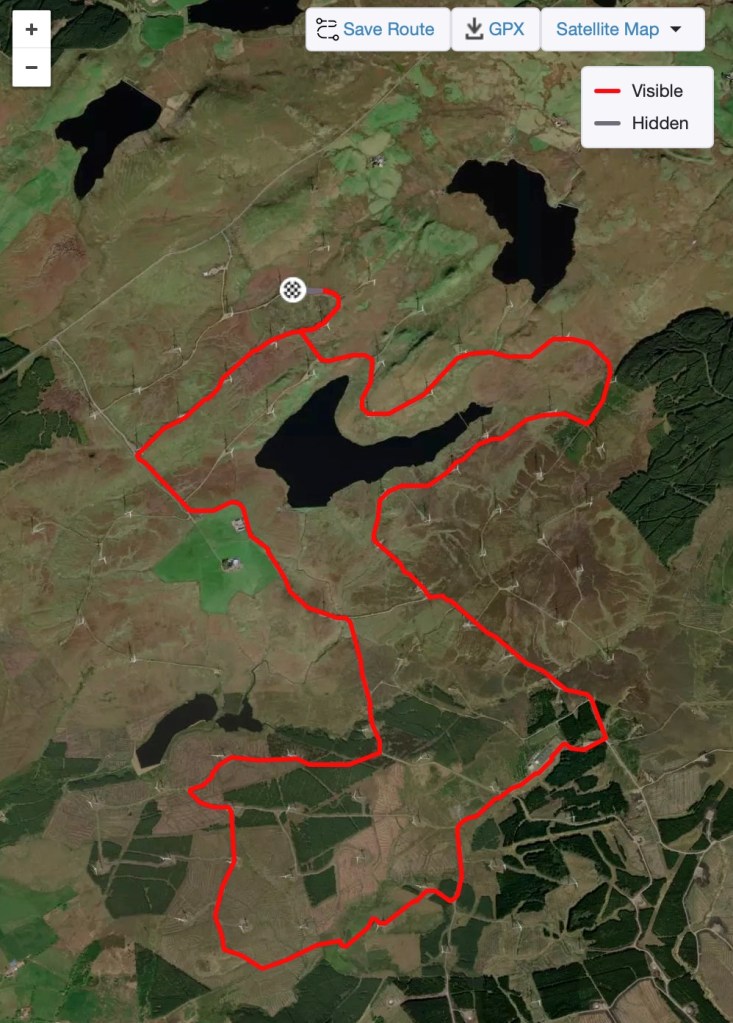
The “Blades” in race the blades refer to the propellors of the wind turbines at Whitelee wind farm, where the race takes place. As the tips of the blades travel at around 300 mph, even an F1 car would have trouble racing the blades. At around 8mph, I might challenge the blades for a race but I would be left in the starting block while it was doing victory laps.
Despite the impossible challenge of the name, Races the Blades is a great off road half marathon held annually in July. There is also a 10k version and ultramarathon option for those who prefer a shorter or a longer challenge.
I’ve entered before and you can find a previous report here. It’s a tricky race, with a rolling course and an annoying hill around the 9 mile point. But, it’s a scenic race with varied train taking you from moorland, to forests to loch side to moorland again with only the sound of the turbines remaining constant. Whumf. Whumf. Whumf.
This year the weather was challenging. The race is held at a wind farm and when it’s windy, it the best spot in the world to be out in the wind. Unless you’re running. In which case it feels like running into jelly. And today was very windy. Except when the heavens opened. Then we were soaked to the skin. It was a real proper Scottish four seasons race. It was just a pity that two of those seasons were hurricane and monsoon.
The race is very well organised and if you like raining on tracks, this is a great event, which is not too far from Glasgow.
Particular praise for the organisers recognising the most important thing for athletes starting a race – plenty of portaloos. Sometimes, when you get to a race, there is only a handful of portaloos for a few hundred runners. Race the Blades had over 20. Fantastic (if you’re looking for a toilet just before you start).
Overall, this is fourth time I’ve run this race and I recommend it to anyone looking for a challenging rolling course through moorland and forests. Just don’t try and race the blades.
 Twin brothers swimming, cycling and running in Scotland